Decorating
How to Light a Windowless Corner
Use a shaded lamp, a pale reflecting surface and a focused task light to make a dark corner legible without glare.
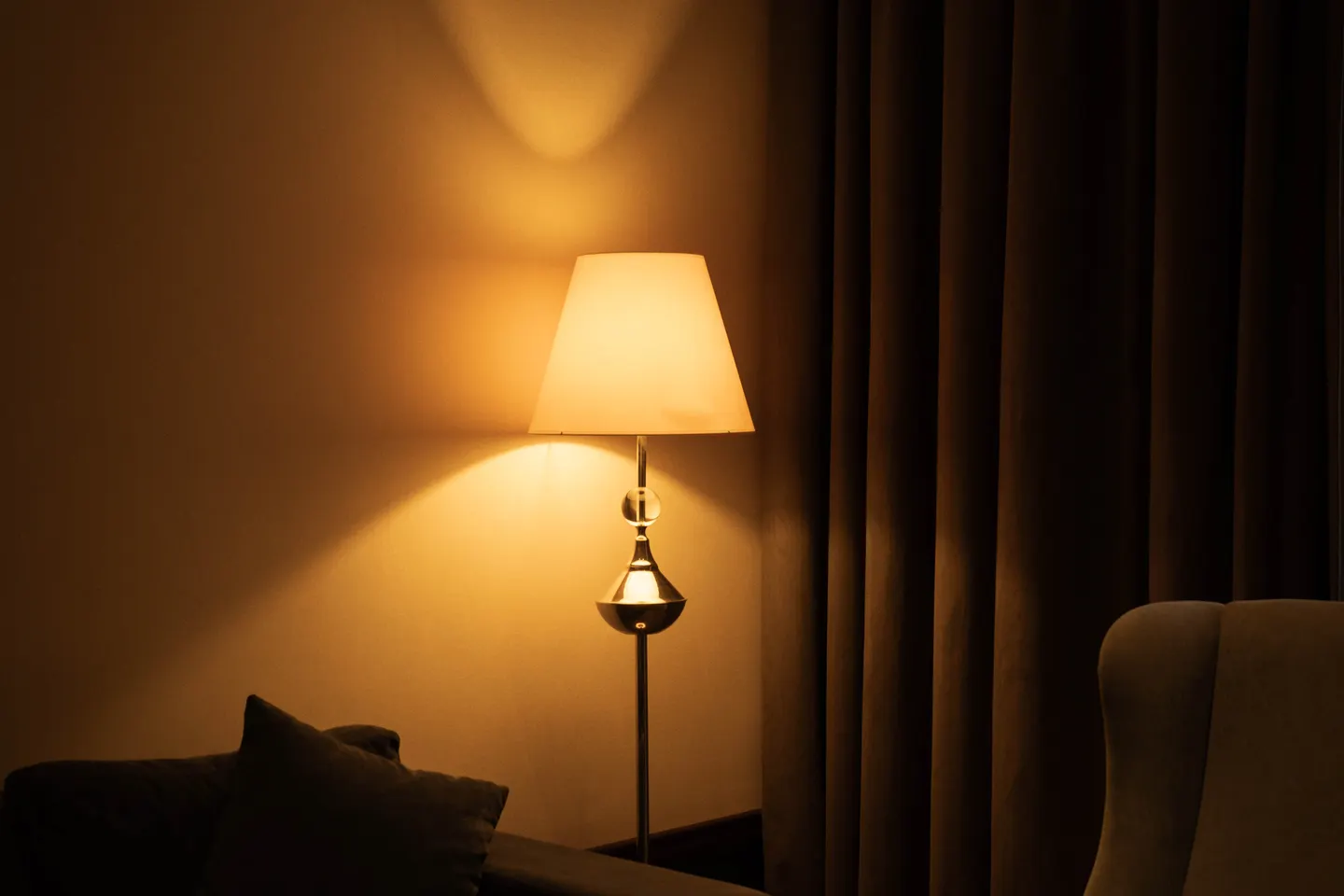
A windowless corner can be pleasant to sit in without looking as bright as the rest of the room. Aim for light that reaches a useful surface and enough light on the wall that you can see the space around it. If you put a brighter bulb in the same narrow shade, the hotspot may get brighter while the corner stays flat. Start with the ordinary task. You need different light to read a small page, find keys in a hallway and make a quiet place to sit at night.
See where the existing light ends
Walk into the room after dark and look at the corner from the approach you use every day. Is the problem that the wall and floor disappear, or that you cannot comfortably see what is in your hands? Sit in the reading chair, stand near the desk and look past the corner from a neighboring seat. A ceiling fixture can throw a pool of light onto the center of the floor and leave the vertical walls dim. If the corner has darker paint, a deep shelf or a curtain, it may reflect very little into the rest of the space.
Borrow a movable lamp and test the light at three heights. Put it low, at table height and at roughly standing waist or chest height using stable places where the lamp is made to sit. Look at the wall behind it. Pay attention to the source itself from each angle. If you can see a bright exposed bulb from across the room, move the shade or fixture before changing the level of light. A small, well-placed source often feels more comfortable than an unshielded one with a higher output.
Use a sheet of pale card to see what a reflected surface might do. Hold it against the wall where the trial light reaches, then remove it and observe the difference from the seat. If the test shows a useful bounce, a light-painted patch, a pale lampshade or a broader beam may help. A mirror behaves differently from matte paint. It shows a bright source as a reflection if it is in the line of sight. It does not spread the light uniformly. Check the view rather than assuming any reflective object will brighten the corner evenly.
Put soft light on a wall or ceiling
A floor lamp that shines upwards can lift a corner if the ceiling is pale enough to return some of that light. A lamp with a translucent shade may make the corner feel brighter by letting you see a larger glowing surface without seeing the bulb. A wall light can spill over a vertical area and leave a table clean. Those choices depend on the form, material and size of the existing room. A high dark ceiling is not a strong reflector. A wide shade at seated eye height may need a diffuser on its bottom or top to keep the source out of view.
Try aiming or placing the lamp to one side of the corner. Directly under a shelf, an uplight may make the underside bright and leave the wall above it untouched. Placed beside the shelf, the same lamp can light more of the wall and outline the edges of the other objects. Test how it looks in the middle of the day when the windowless corner still sits near brighter parts of the home. A useful lamp makes sense in relationship to all the light people can see at once.
The lamp's base and cord matter in a room where there is little floor space. Keep the base stable and out of the walking route. Put the lamp within reach of a suitable outlet, use the fixture as its maker directs and route the cord away from shoes and moving drawers. Never run a cord under a rug or where a heavy chair can pinch it. If you want a fixed wall fitting or need a new electrical point, have the location and work assessed by a qualified person. Renters should check permission before making permanent alterations.
Add focused light where your eyes need it
A shaded floor or table lamp can make a chair look comfortable without lighting the words on a page. For reading, try an adjustable light coming from beside or slightly behind the shoulder. Check that you can place the beam over the open book without your arm casting a shadow. For desk work, the useful surface includes the keyboard and part of the desk where you write. With a reflective screen, move the light to one side and check it from the working position for glare.
A stronger task light can be less tiring when you also keep some light around it. Look up from the page and notice what you see. If the whole background disappears as soon as you switch on the task lamp, give the wall some light from another direction. If the page looks almost the same whether the task light is on or off, aim the beam more narrowly or move it closer. Test with the material you use, including glossy pages that can catch a reflection and paper that looks very different in cool light.
For a pass-through corner, place the light where it makes the floor, door edge and possible obstacles easy to see. That is a different job than making a broad reading surface bright. A lamp near the passage can throw an unwanted shadow from the person's own body. Try an alternative position and compare the two directions of approach. It can be useful to have a switch available before reaching the dark stretch, as long as controls and portable fixtures are installed for the location.
Read the bulb and fixture specifications together
Lumens describe the light output of a source. Watts describe the energy it uses. The amount that reaches a page or wall also depends on distance, beam spread, the fixture and the surface. Compare lumens between similar products, then try the light in the room. Color temperature is expressed in kelvins. Bulbs around 2700 to 3000 K are commonly described as warm, while higher values are generally perceived as cooler. Brightness and color are different choices. A warm source can be bright, and a cool lamp can be dim. The US Department of Energy's lighting guide explains the bulb label and how to compare light appearance.
Use the bulb type and rating the fixture specifies. Some bulbs are unsuitable for certain enclosed fixtures. If a dimmer is part of the arrangement, look for compatibility before assuming the lamp will dim smoothly. The range matters as much as the brightest setting. A reading light that can only fall from very bright to almost off may be less comfortable after dinner than a light that gives you several usable steps. A fixture with an integrated light source can be slim, but ask whether the light source or driver can be serviced in the way you expect.
Compare two colors at the spot, with the neighboring fixtures on. A very warm corner beside a much cooler ceiling may look deliberately separate. It can also make paint colors change abruptly across the room. Try each option with the lamps your household already uses at the same time. If you intend to leave a single lamp on in the corner at night, check its appearance when the rest of the fixtures are off as well.
If you use the corner for fabric, drawing or other color work, take the actual materials to the room and compare them under each lamp. Two bulbs with similar color-temperature numbers can render a particular red or blue differently. A label may list a color rendering index, which offers a broad comparison across colors. The light you see depends on the objects and adjoining light as well. Check that the practical lamp lights the place where you compare the colors and that your hand does not cast its own shadow over the sample. Use the setting you are most likely to repeat.
Give the corner one simple switch-on routine
Consider a deep corner at the end of a small living room. A chair backs onto one wall and a shelf blocks some ceiling light. An existing table lamp is bright enough for a book but exposes its bulb to the sofa. Move a lamp with a diffuse shade forward beside the chair to light part of the wall and turn on a small adjustable reading lamp only when you need it. If there is room for one fixture, try a design with separately controlled background and task functions, or choose the orientation that solves the harder job.
Sit in the chair for fifteen minutes when you would normally use it. Reach for the controls without standing. Read a page, get up from the seat and look back along the route. If you need to step into shadow to switch the light on, or if the cord crosses a route to the kitchen, revisit the position. A lamp that requires impossible furniture placement will rarely stay where it looked best in a photo.
Once you have a setup that works, leave it for a few regular evenings before adding another fixture. Note which switch you use first and which other one you can do without. The corner should give your eyes a clear surface to work with and leave the surrounding room easy to see.