Decorating
Using Rugs to Give a Studio Apartment Clearer Zones
Mark a living, sleeping or dining area in a studio with rugs sized for furniture movement, visible floor and the routes between them.
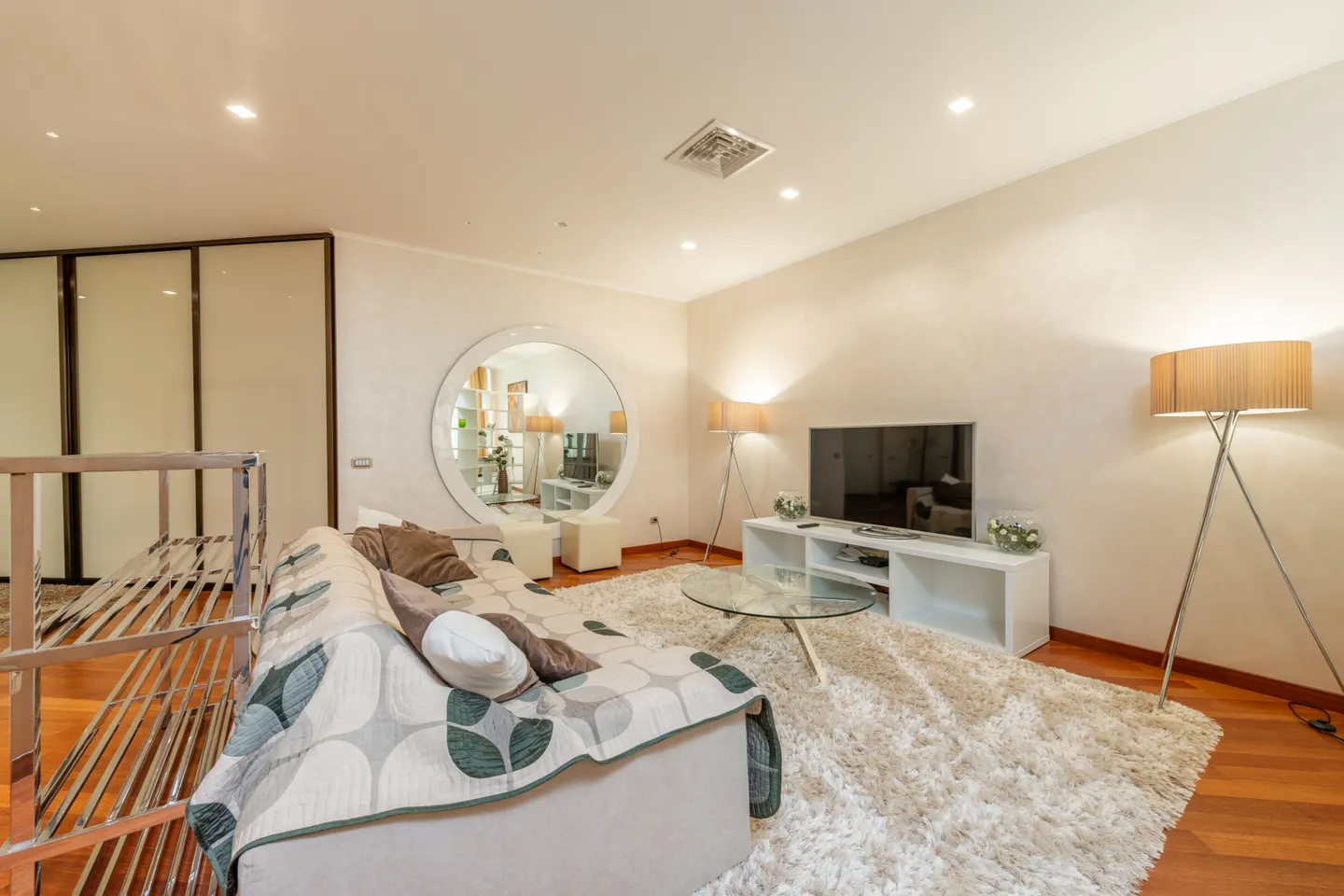
A rug can give one activity a visible place in a studio. The chair, sofa and table can belong to a living zone even when the bed and kitchen are in view. The change is small but useful. A good layout shows the edge of a zone without sending everyone across a ridge in the floor. Begin by tracing the routes people need every day. Then give the best rug to the activity that benefits most from an obvious edge, whether that is conversation, getting out of bed or working from a chair.
Follow the path before placing a rug
Begin at the front door and walk to the kitchen, bathroom and bed. Open a door, pull out a dining chair and carry a basket through the room. Mark the widest part of those movements with removable tape. A studio may have an obvious main alley, or its only route might run diagonally across an area that also needs to be used for other jobs. This reveals where an edge could become annoying. The rug placement should be stable and avoid creating a raised edge that catches a foot, a wheel or a cleaning tool every time someone passes.
See what happens when the furniture is being used. A stool parked neatly under a counter might take up several more inches when someone is sitting on it. A desk chair will need space to roll back. If a rug is merely an island for the table, its edge may fall exactly where the chair's legs need to move on and off. Take the measurements with the seat pulled out far enough for someone to stand. A few more inches of rug, or no rug under that particular chair, can make the daily movement easier.
When all the zones are tight together, place the rug where the floor underneath is already flat, clear and dry. Keep appliance service, door operation and ventilation openings as the building requires. A mat that bows over an uneven strip or stops a door from swinging normally is not a good boundary. If anyone uses a mobility aid, test the actual edges and route with that person. Rug thickness and how the edge behaves are more important than an idealized arrangement on a plan.
Size the rug to the group, not the room
In a typical seating zone, the front legs of a sofa and the other main seat can rest on the rug if that gives them a level and stable position. This often makes the pieces read as a group. A rug a little wider than the sofa can define that group without having to cover all the floor to the wall. If you would rather have every seat completely on one surface, measure to the farthest leg in the most likely arrangement. The rug can be slightly off-center in the room if it is centered on the seats.
At a bed, choose which side needs a comfortable landing. A narrow runner can work beside a bed that is tight to a wall, even though it does less to divide the view from the rest of the room. A broader rug beneath part of a bed can mark the sleeping zone and leave room for both feet at the sides. If the room has underbed drawers, open them over the intended rug. A large rug can cover the space that the drawer's legs, casters or supports need to pass freely.
At a dining table, make a mark where the front and back legs of the pulled-out chairs are likely to sit. A rug that reaches that position will feel continuous when you get up and sit down. If it makes the rug too large for a tight dining area, the floor there may be easier to live with bare. Rectangular and round rugs can each work with a round table. The shape needs to cover the actual seat movements, especially in the direction from the kitchen. Consider whether there is a manageable way to remove crumbs and clean spills from the exact construction you plan to buy.
Pick a visual edge you can keep
Leaving a strip of bare floor between two rugs can separate them without competing designs. If there is no room for a strip, the arrangement may look more deliberate with just one main rug. Try the larger one in the lounge and let the bed be defined by its frame, a screen or a change in light. A large border around a small rug can feel busy in a little room with a lot of open wall shelving. A quiet surface gives the furniture a sharper outline. A strong pattern can be effective where furniture is plain and the rug easily reads as the center of a group.
If you are combining two rugs, look at them from the doorway using the daylight you see when you come home. Similar tones can connect distinct patterns without treating both rugs as a set. If the apartment is darker at one end, a light rug there may look different from the same color placed closer to the window. Use large enough samples to read the contrast. The manufacturer picture may show the rug facing a different direction or using light that makes the pile look more uniform.
If you use a small desk in the open plan, try running the rug just up to the desk rather than beneath the rolling chair. This gives the work area its own floor finish and can spare the chair a raised edge. A low pile rug rated for the intended use might still work where it can cover the full motion of the chair. Put a notebook on the desk and sit as you would normally. Reach to the side for anything you regularly store nearby before assuming the line on the rug represents the position of the chair.
Rugs can look lighter or darker depending on how the pile lies and how the light hits it. Before trimming a pad or anchoring heavy pieces, turn the rug around and compare it from the main seat as well as from the entrance. A striped rug can give a compact seating area a clear direction, but make sure its most visible stripe runs somewhere sensible. A bordered rug tends to emphasize a slight skew next to existing floorboards or tile lines. Align it with the dominant furniture edges, then check its relationship to the floor.
Make cleaning part of the layout
Vacuuming is easier when the furniture can stay where it is and the edges are accessible. Rugs that run under every piece can be hard to lift and inspect in a studio. A distinctive wool flatweave, a low synthetic pile and a textured cotton rug may need different routine care. Read the label for the actual product. Some rugs allow machine washing if they fit the machine. Others have dyes, fringes or backing that need different treatment. Test the thickness in relation to doors and the floor robot before choosing a dense pad.
Use a rug pad suitable for the floor's finish and the rug. A pad can help reduce movement, but it needs the right thickness and coverage to prevent an unsupported edge. In a rental, check whether the floor maker or landlord prohibits certain adhesives or rubber backings. Some products can mark a finish, particularly under direct sun or on surfaces with particular coatings. If the corner curls or the rug shifts anyway, fix the arrangement before leaving it in a walking route.
For a home where dust control matters, keep in mind how easily the rug and the floor under it can be cleaned. A tall pile that catches crumbs can make cleaning slower. A smaller piece placed where it can be picked up may be easier to maintain. The US Environmental Protection Agency's indoor particulate matter guidance includes vacuuming and damp dusting practices for reducing indoor dust. If a home has persistent dampness, resolve it before covering the floor with a pad and rug.
Mock up the room when it is busy
Take a studio with the bed by a window, the sofa along one wall and a small table that moves out for dinner. A large rug under the table and sofa would have to account for two positions of the table, and could put a seam of raised material right where a chair needs to move. A single mid-size rug that contains the sofa legs and one small side chair lets the independent table work on bare floor. A short runner at the bed could make mornings more comfortable without competing with the lounge. The walking route from the front door to the bed stays visible the whole way.
Run the plan for a week using sheets of paper or tape while you decide. Notice which taped edges you step across most often and what changed when someone came over. If the living rug is an inch away from a cabinet you open every day, check that the door will clear the finished height. If the household keeps moving one piece of furniture off the taped zone, measure the regular floor arrangement instead of the one you first imagined.
The last check is to look along the apartment from both ends of the main route. On a good day, there is a regular place to land a foot by the bed, sit down with a guest and pull out a chair for dinner. The rugs make those places easier to see. The rest of the floor lets you move between them.