Small Spaces
A Baby Zone in a One-Bedroom Home
Set up an infant sleep space, changing supplies and the nighttime route in a small home with practical layout checks and official safe-sleep guidance.
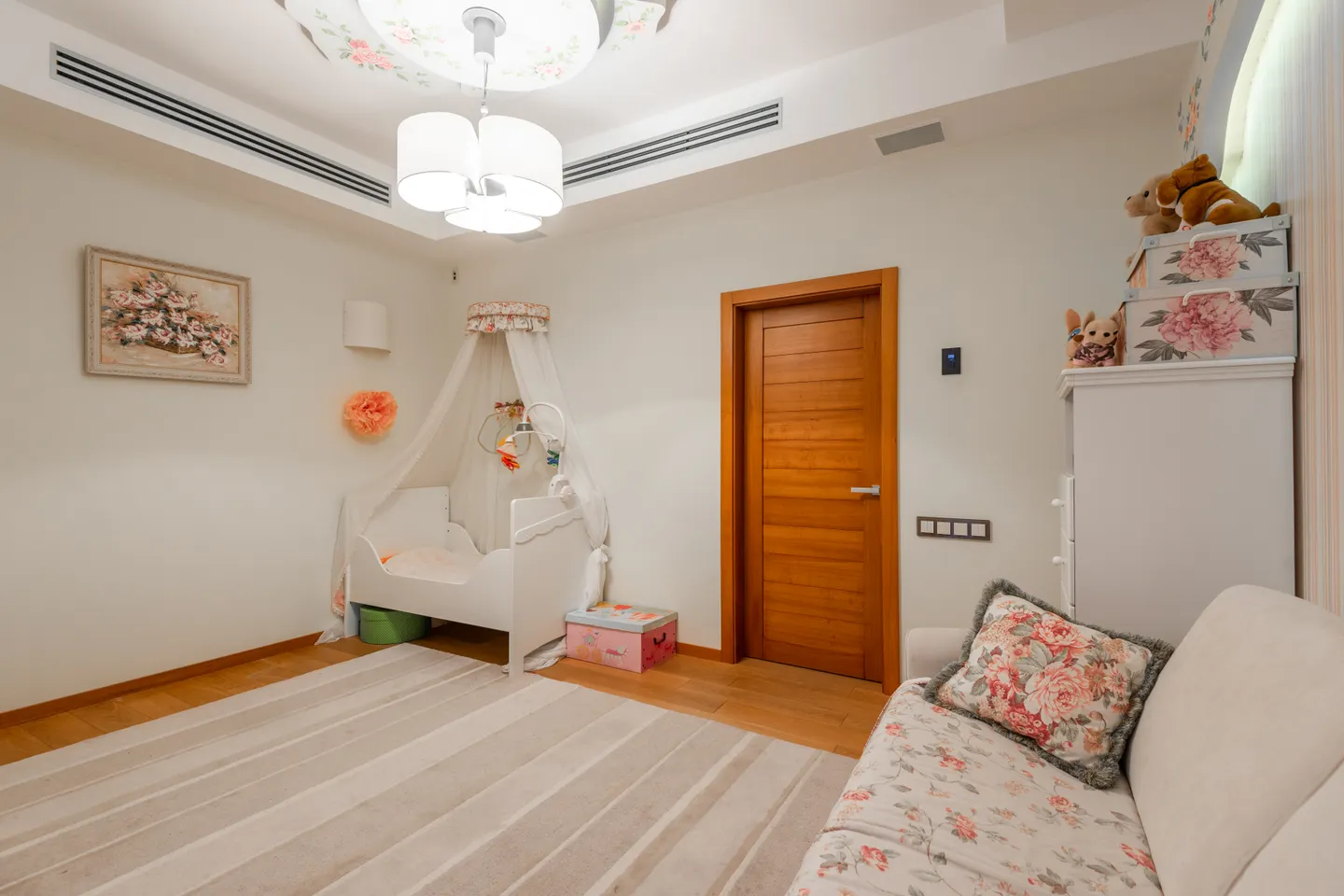
In a one-bedroom home, a baby zone begins with a dedicated, safe space for sleep. Work out how the people caring for the baby will get to it, where they will put a hand on a light switch and how they will reach a spare diaper. A whole new set of nursery furniture can make a small room harder to move through. A few carefully positioned essentials can give the baby a place close by and keep the room practical for the adults throughout the day.
Put the infant sleep surface first
The American Academy of Pediatrics recommends sharing a room with an infant, with the baby sleeping in a separate sleep space, ideally for at least the first six months. The US Consumer Product Safety Commission advises using infant sleep products that meet applicable safety requirements. A crib, bassinet or play yard designed and approved for infant sleep may work for your layout. Use the product exactly as directed, including the manufacturer's mattress and bedding requirements, and check the current local standards in the place where you live. The AAP safe sleep guide and CPSC Safe Sleep center explain the main precautions.
Set the baby down on their back for sleep on a firm, flat, noninclined surface, with a fitted sheet and no pillows, blankets, bumpers, toys or similar loose objects. An adult bed, couch, armchair, lounger and inclined product are unsuitable for infant sleep. If the baby falls asleep elsewhere, the CPSC recommends moving them to an appropriate sleep space. In a small room you may see products described as space-saving or soothing. The marketing description does not establish what the product is approved to do. Check the exact model, read its instructions and look for recalls before choosing it. Ask a pediatrician about questions specific to your child's care.
Measure the product fully assembled. A bassinet with angled legs can occupy more floor space than its sleep surface suggests, and a play yard may need room for folding as well as use. Account for how close you can get without an awkward lean over a side or reaching around bed furniture. Read the product manual before assuming a handrail can face the bed or that a side panel can be adjusted. Manuals also specify when a child has outgrown a product through age, weight or movement. Sketch where the next sleep product would fit while you are planning the current one.
Walk the nighttime route
Draw the bed, the adult bedroom door and the path from that door to the infant sleep space. Include the route to a light switch, the nearby place you keep feeding supplies and the other way out of the bedroom. It makes sense to test the path in dim light. Leave space to turn with what you carry without brushing against a hot radiator, door handle or low shelf. A route that looks adequate in a plan can lose several inches to an open drawer, charging cable or stroller handle.
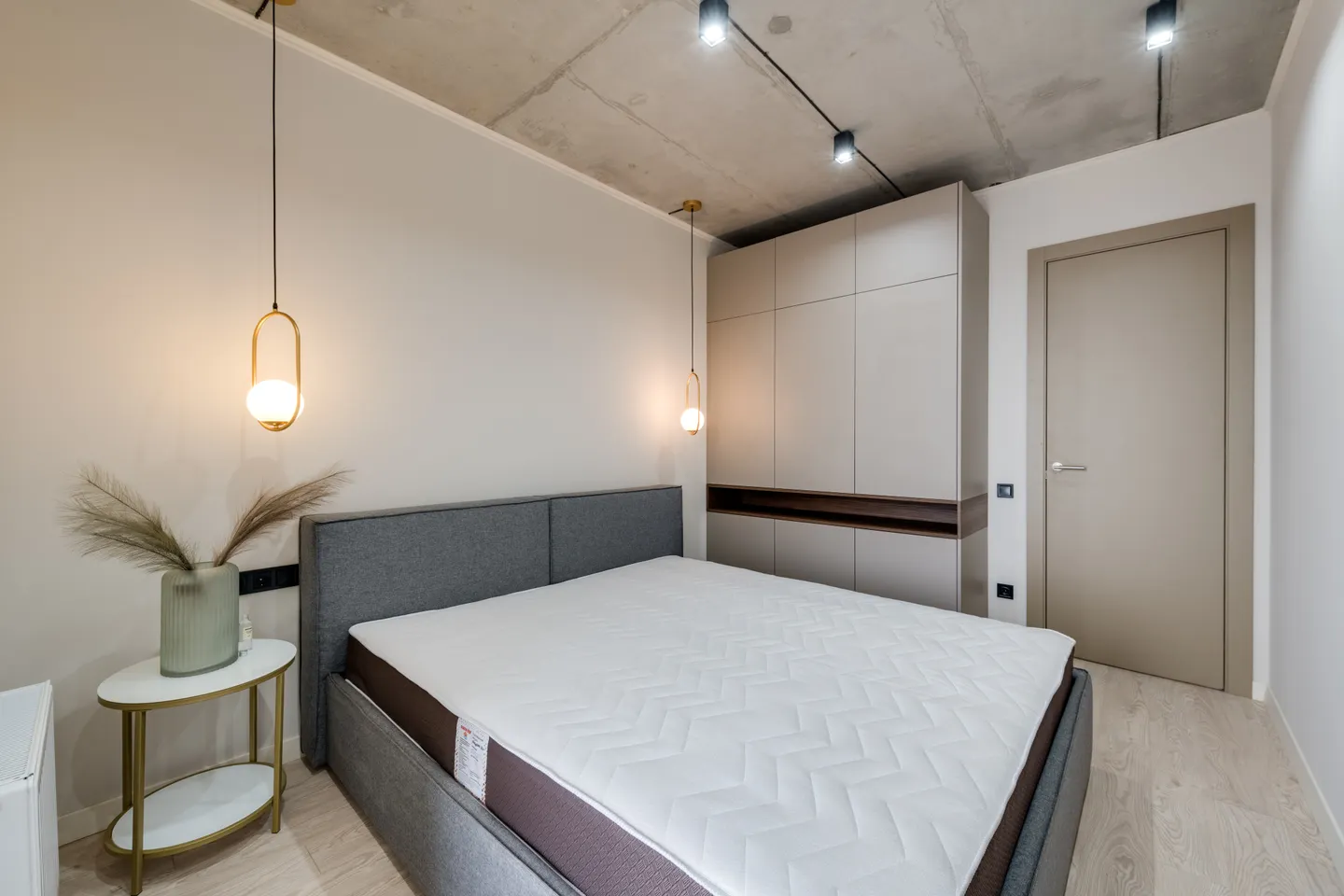
An illustrative bedroom might have a bed tight against one long wall, a chest near the window and a doorway beside the opposite wall. The widest empty spot could be directly under the window, where cords, drafts or items on the sill make that position unsuitable. Swapping the chest and an ordinary bedside table might open up a better spot along the inner wall. Fit the infant sleep product in the drawing with the room door open. Try both adults' preferred sides of the bed. The shortest route may depend on who is likely to get up first.
Place the sleep space away from window covering cords, cables, heaters and objects that might fall into it. Secure furniture that can tip with suitable anchoring and follow the instructions for your wall and furniture. Keep the space above the crib clear of heavy or easily detached decor. Outlets, light controls and lamps need stable placement out of reach. As the baby grows, look for new things they can reach, including cords that seemed far away when the baby first came home. The CPSC window covering guidance and Anchor It! resources offer more detail.
Store the next change, then store the rest
Put the daily changing supplies within reach of the caregiver while keeping them away from the child. One shallow container can hold the next couple of diapers, wipes and a fresh change of clothes. Keep bulk packages in the closet or under the adult bed if that is a convenient place to replenish them. Turning every supply into a decorative display creates more surfaces to dust and more things to move during the routine. A low stock of the supplies you need tonight takes up less space than a completely filled organizer.
Choose a changing arrangement you can use safely and that fits the household routine. When using a raised changing product, follow the manufacturer instructions, keep hands-on supervision and do not leave the baby unattended. Arrange the supplies first so that you can reach them without stepping away. A compact setup might put clean clothing in a nearby drawer and keep a bin at adult arm's reach for use at the appropriate time. If several people share care duties, try the sequence together so that you agree where each thing goes before the room gets crowded.
Give a second thought to drawers that pull into the walking route. A container that can slide out and be set on a clear adult-height surface can work when it is light, stable and leaves space for the caregiver. A rolling trolley is useful only if you have somewhere stable to park it, and its contents and casters stay out of reach. This is also the point to decide where used items go. Putting the hamper across the passage from the changing area can make it hard to get around, especially when it expands into more than one bag.
Keep adult functions where they can still happen
One-bedroom homes often have only one place for an adult to dress, read or work quietly. Making the bedroom exclusively a nursery can push all of those routines into the living space and cause a new congestion problem. Look for the activity that is easiest to move temporarily. A nightstand can become a narrow shelf elsewhere if it was mainly holding a book and a lamp. Folded clothes may remain in the same room if there is enough space to open the storage without touching the crib. Working at the dining table for part of the day may be easier than moving an entire desk into a small bedroom.
Test ordinary bedtime lighting in the plan rather than relying on the ceiling light. A safely placed light that illuminates the floor and supplies can help a caregiver see the route. Keep its cable secured out of reach and out of the path. Bright lights, glass decor and dangling cords are poorly suited to a place that people use with tired eyes and full hands. A lamp with a simple switch that can be located by touch may be more practical than one that depends on navigating a phone. If changes to fixtures or outlets are necessary, get suitable professional help.
In the common room, leave a place for awake, supervised activity that can be cleared before the evening. Adult seating can stay useful for feeding and conversation without becoming an infant sleep arrangement. A chair that is comfortable in a showroom can be too deep to get out of easily. Try standing up from it several times without relying on a low table as a lever. If space is tight, using an existing supportive seat and moving a coffee table slightly may accomplish more than buying a separate chair with a wide footprint.
Plan ahead for the room to change again
Write down what you expect to keep when a different sleep product is needed. A chest that can hold various sizes of clothes and an adult reading lamp may remain useful. A custom shelf the exact width of the current bassinet may be less useful in a few months. Free floor space, secured furniture and a convenient light tend to keep paying off as you move the furnishings. Measure the next stage against the room's door and your available storage before buying something that may only have a brief use.
Keep the safety information and assembly instructions together, along with the model numbers and purchase details. Record any limit that affects how long you can use the product so caregivers do not have to look it up late at night. Register the product for recall notices where available. When a child becomes able to reach higher or pull on adjacent items, look again at cords, shelves, drawer handles and furniture anchoring. It is possible to build these checks into the routine each time you reposition the sleep area or remove a piece.
Try a final walk-through with someone who has never used the layout. Ask them to point out the safe sleep space, turn on the light, find fresh supplies, reach the adult door and put everything back. If they cannot get past a chair or mistake an adult surface for a place to put the baby down to sleep, improve the setup while it is easy to change. A compact room can be comfortable when its ordinary routes stay open and its safest choices are also the easiest to use.