Small Spaces
A Bed in an Alcove, With Storage You Can Actually Reach
Plan an alcove bed around mattress clearance, accessible drawers, airflow, lighting and the reach of the person who uses it.
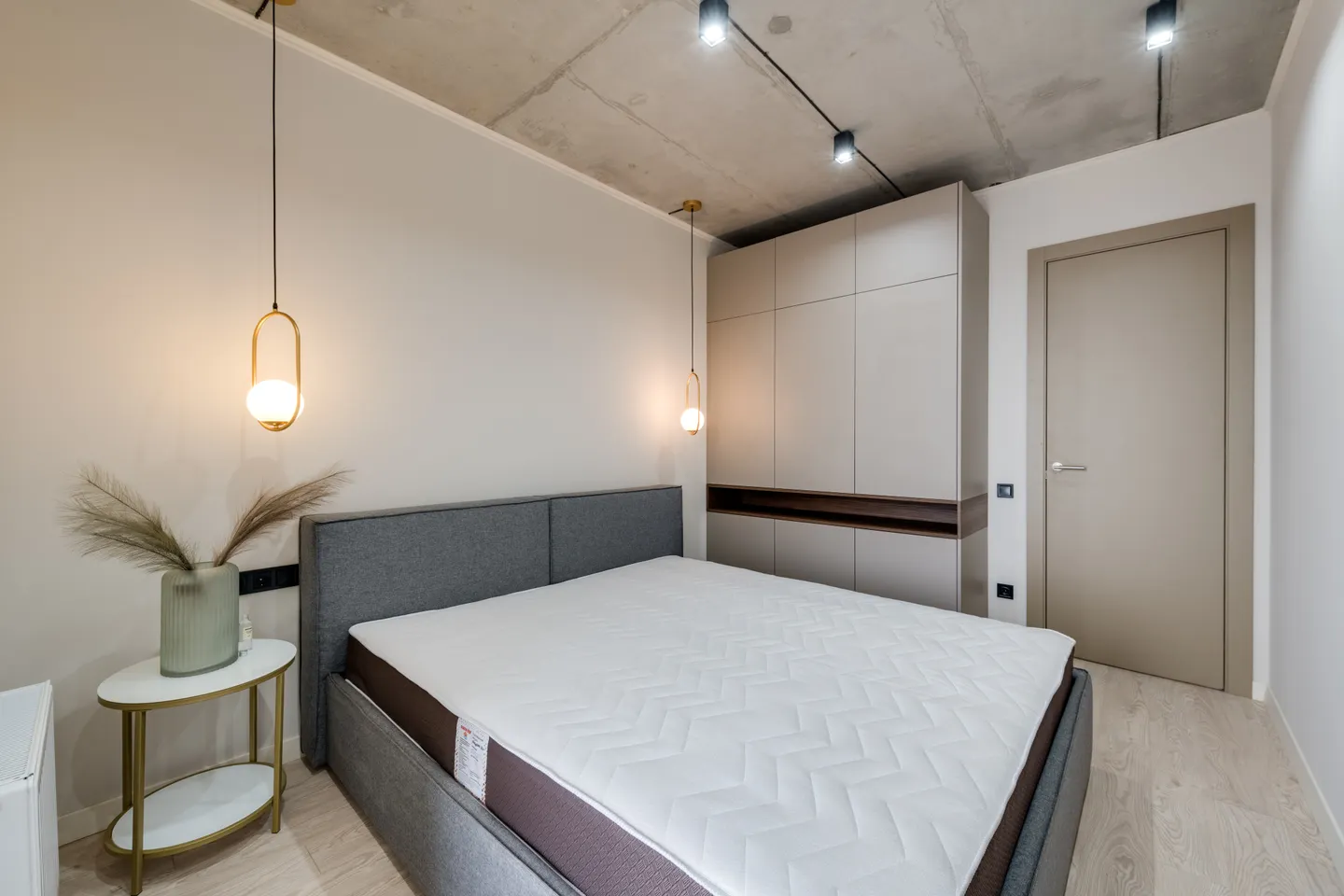
An alcove bed can turn a recess into the part of a small room that works hardest. The mattress uses depth that would otherwise swallow a dresser, and a drawer at the foot can take the place of a separate linen cabinet. The arrangement becomes awkward when every storage compartment is technically present but only one can be opened without stripping the bed. Begin with the motion you make on a weekday morning. If you can walk up to the bed, open a drawer, pull out a sweater and close it without moving another piece of furniture, the plan has earned its floor space.
Measure the finished opening
Measure at the head, middle and foot of the alcove, both near the floor and at the height of the mattress. Old walls often taper, and baseboards, pipes and window trim can reduce the usable opening at a different point than you first expect. Measure the approach, too. A mattress that would fit in the final position may be impossible to turn around a corner. Check the stair landing, entrance and doorway before ordering a rigid headboard or a long platform that ships in one piece. Ask the maker for package dimensions if the specification only shows assembled measurements.
Write down the outer dimensions of the actual frame and the mattress, including a topper if you use one. A mattress name such as queen or double describes a nominal size in a given market. Two frames for that same mattress can have noticeably different ledges, legs and upholstered edges. An attractive four-inch border claims eight inches of total width. A thick headboard can consume the depth you planned to use for a pull-out at the foot. Just as importantly, confirm whether the side rail runs flush with the mattress or sits above it. Reach over the proposed edge before committing to a high platform.
A tape outline on the floor will tell you where the bed goes. A cardboard box at approximate mattress height tells you more. Approach from each side, sit down where the edge will be and reach toward the wall. Standing in the middle of the empty room, people tend to overestimate how much clearance they will have around a piece. That simulation also shows whether the proposed alcove feels like a sheltered spot or a deep slot you will have to climb into.
Give daily things the easiest opening
Underbed storage often falls into three different access patterns. Full-extension side drawers work when there is standing space beside the bed. Foot drawers come forward into the room and suit a recess with walls on both sides, provided the bed's approach stays open. A lift-up base can reveal a much larger compartment. It is convenient for spare bedding, seasonal clothes or luggage when the mechanism is rated for the mattress and lifts comfortably, and less appealing for the bag you reach for every morning.
Measure a drawer at full extension. Then add the space needed for your body, or room to kneel if the pull is near the floor. Test whether a second person can still pass when it is open if the route serves the rest of the room. Floor baskets and loose boxes have a similar requirement. A rolling crate can move easily over a hard floor but catch on a change in height or a deep rug. A removable bin that will only come out if tilted also needs extra vertical room above it.
Use the first opening you can reach for the things you use repeatedly. A foot drawer might hold daily clothing, followed by a farther compartment for towels. Whatever lives deepest should be light enough to move safely and stored in a container you can identify from the front. A suitcase on a platform may seem harmless until it blocks a long row of shallow boxes. If you are making drawers from scratch, measure a shallow stack of folded items and design the internal height around it. A single deep drawer tends to hide its bottom layer under the top one.
Keep a way to change the sheets
With access on one side, the far corners are the test. A platform with a small amount of maneuvering room around the mattress can make it possible to tuck a fitted sheet without lifting the whole mattress. Stand at the accessible side and see how far you can reach. Then imagine pulling a tightly fitted corner over a heavy topper. If it looks like a stretch, consider a mattress with less weight, another approach position or a frame that lets you slide the mattress forward when you need to change it. Check that those adjustments suit the type of mattress and base you intend to buy.
Bedding choices affect the routine as much as furniture. A cover that lies across the top can be easier to straighten than an oversize duvet that falls into a gap beside the wall. A fitted sheet sized for the mattress depth is easier to reach over than one with excess fabric bunched at each corner. A low headboard that is easy to wipe down can be useful in a recess where you cannot walk around the bed to dust. An extra pair of hands can make a deep installation workable, but weigh that against the frequency with which you expect to change the bed.
For a double bed shared by two adults, one-sided access gives each person a different experience. If one has to climb over the other to get up, ask whether the compromise is tolerable on a night when someone is unwell, travelling early or taking a call. A side platform, alternative position or smaller mattress might give both people enough independent access. Another option is using the alcove for a daybed or storage and turning the main bed into the room. Compare those layouts while the room is still empty.
Leave the building systems usable
A bedroom wall can hold a radiator, air register, outlet or an access panel you need to use after the installation is complete. Keep the clearances required by the equipment maker and leave a route for removal and inspection. An upholstered headboard or tall cabinet placed in front of a heater changes the conditions around it. If a cable must reach from the bedside to a socket, give it a route that will not be pinched by drawers, compressed under a leg, trapped against a heater or stretched across the path to the bed. Use an electrician when relocating outlets or installing fixed lighting.
Check the mattress maker's base requirements. Some specify the spacing of slats or an approved support surface. A closed compartment crowded right up under a mattress can leave little space around the bedding, especially on an exterior wall in a humid room. Leave a way to inspect the mattress underside and adjacent wall. If the recess smells musty or a cold wall routinely collects condensation, investigate the moisture problem before enclosing it with cabinetry. Ventilation, water ingress and humidity are separate causes that may call for different remedies.
Do not obstruct an emergency escape window, a required route or a ventilation opening. An alcove near a window can have good daylight and still be a poor location for tall built-ins. A rough sketch showing door swings, switches, service access and window operation is part of measuring. If regulations, ventilation or escape requirements are uncertain, check them locally before commissioning work. A freestanding layout lets you test much of the idea while those details are being resolved.
Build light and storage around actual reach
For a reader, a small focused lamp should be reachable from the pillow and positioned where the reader's shoulder does not cast a shadow across the book. For a person who checks a phone during the night, the useful ledge might be only wide enough for a charger and a glass. Check reach while lying down and sitting up. If the light or shelf is above head height, test the height at which you sit upright. A shelf can look safely high while the bed is empty and turn out to be in the path of a sleepy head.
Use broader room lighting for changing clothes or making the bed. A recess with a dark ceiling may need a second layer of light even if the rest of the room has a bright ceiling fixture. Try a movable lamp before drilling for a fixture. If you install storage overhead, use fittings and anchorage suitable for the wall and the expected load. Keep heavy objects where they can be lifted without reaching above the mattress. A closed shelf over a bed can be practical for light possessions, but high closed cabinets are difficult to inspect and clean without a safe place to stand.
Mock up the opening that matters most
Consider a recess with walls tight on both sides and a clear approach at the foot. Start by placing a box that represents the intended foot drawer on the floor. Pull it out by the proposed amount, then carry a pile of sheets past it. Open the room door and check how much floor the drawer would borrow. If you keep hitting the box, shorten the drawer, move the bed slightly forward or put frequently used storage in a nearby slim cabinet. One convenient compartment is worth more in daily use than two that cannot be opened fully.
Perform the same trial in reverse if the room offers access along one long side. A shallow side drawer can hold small belongings without taking over the walking route. Facing drawers toward a doorway may seem efficient until the handle of the adjacent closet meets them. Mark swing arcs on paper or with removable tape. On an uneven floor, account for thresholds and changes in height, and verify that the storage unit can be levelled without wedging the drawer shut.
At the end of the trial, write down three positions. Where do you stand to get into bed? Where do you stand to lift or pull the heaviest thing stored below? Where do you stand when you change the far corner of the sheet? Keep the layout that gives those three actions the best footing. The recess will still look like a pleasant place to sleep, and the extra storage will be there when you need it.