Furniture
How to Choose Nesting Tables for a Small Living Room
Measure nesting tables in both positions and choose a stable pair that fits daily drinks, occasional guests and the route through a small room.
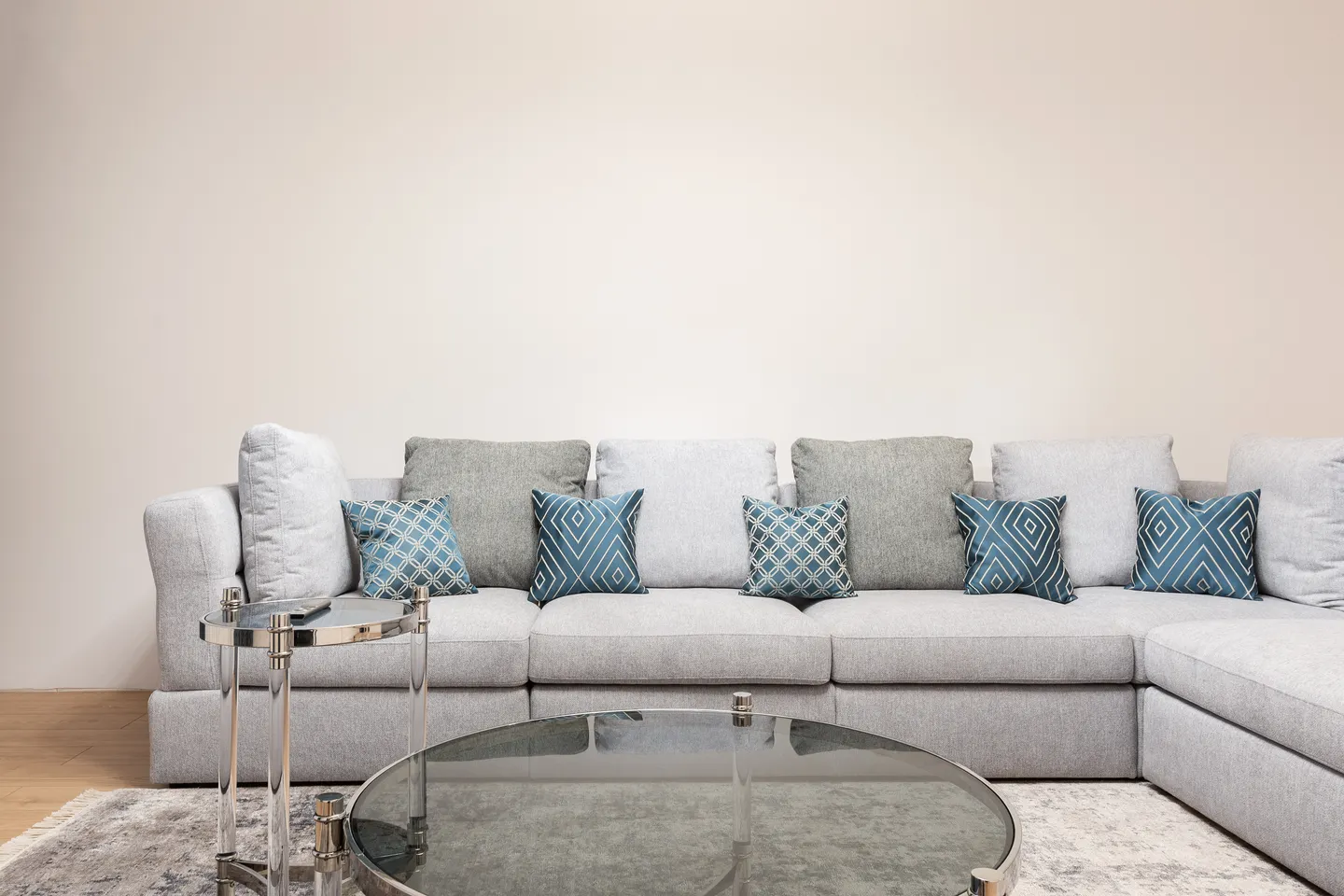
Nesting tables buy room in two ways. A pair occupies one footprint most of the day, then separates when someone needs a place for a drink or a dinner plate. The arrangement helps only when the smaller table can be pulled out from the place it actually stands and used securely wherever it goes. Measure the two positions separately. Then pick a pair whose larger table does the daily job and whose smaller one can be carried or moved without dismantling the room.
Decide which table will stay out
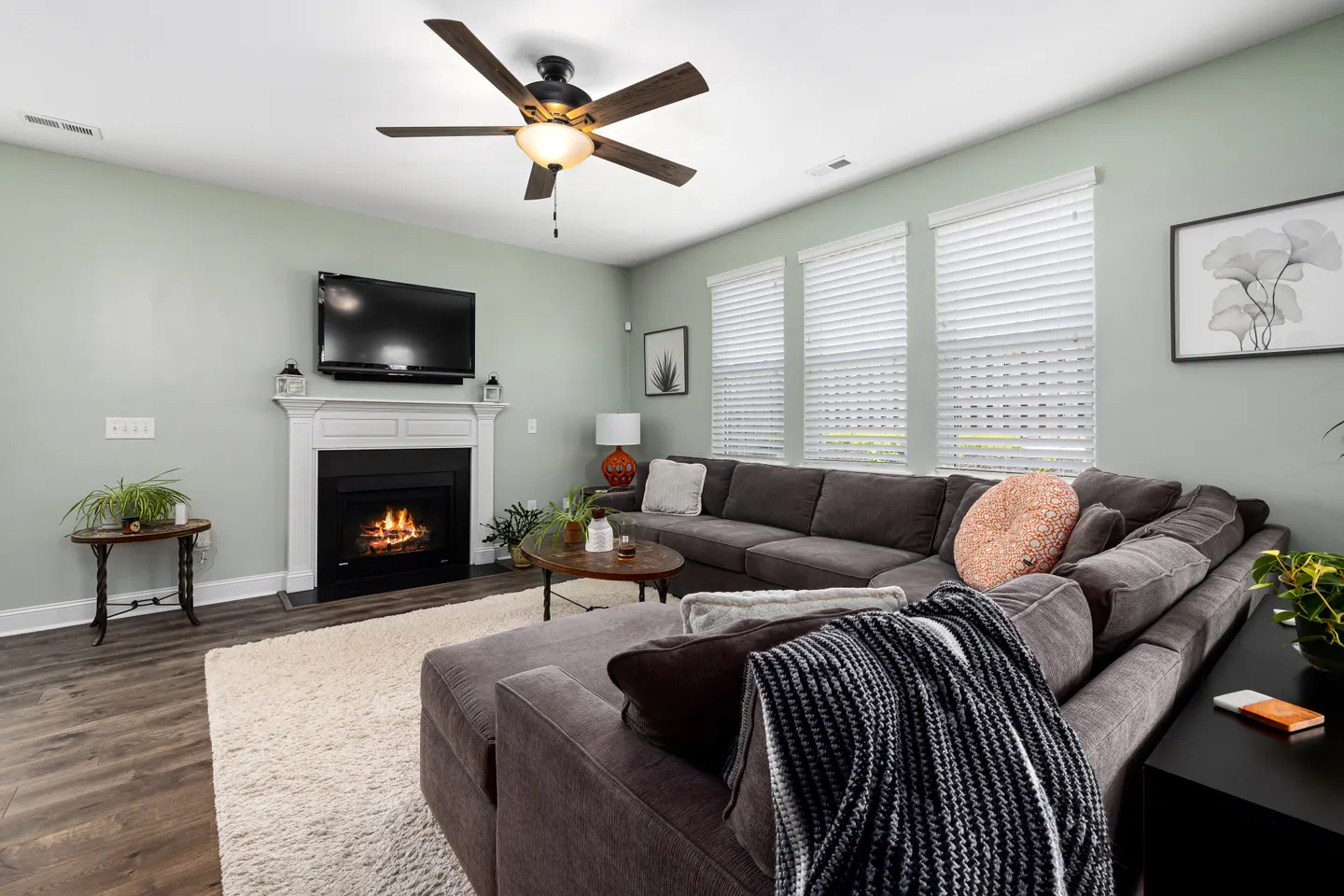
Think of the larger table as the everyday surface. Put a baking tray, stiff piece of paper or narrow box where you would use it, then sit on the sofa with a mug and a book. See whether you can set the mug down without twisting and still get up with both feet under you. A centered coffee table may serve several seats well. An end table is easier to reach from one place and can leave the center open for movement. The same nesting pair may be sold for both locations, even though its height and reach only feel natural in one.
Give the larger surface a clear job. If it holds a lamp, it needs to stay close to a suitable outlet with a safe path for the cord. If the two tables often move from one side of the room to the other, a lamp is better placed on a fixed piece or suitable floor base. A table that holds a decorative tray and three books can lose the space for a glass, so judge its usable top after placing the objects that are likely to stay.
Now decide what the second table does. It might hold a plate by the less convenient end of a sofa, a drink next to a visiting chair or a puzzle that you need to keep level. For the occasional plate, a lower top can work as long as it is easy to reach. For working on a laptop, put a similarly sized box at the proposed height and see how it feels to type for ten minutes. A surface that works for a quick drink can leave your shoulders and back in an uncomfortable position during ordinary work.
Record the real outside dimensions
The size listed first is often the diameter or width of the top. A table's legs can splay outward beyond it. A runner-style base may project into the walking route even though the top clears the sofa. Use the largest footprint shown in the assembly drawings. If the nested design leaves part of the smaller table exposed, include that portion in the dimensions. Photograph the tape outlines so you can compare them with the sales section of the room, where the pair may stand by itself.
Set out both outlines at the same time and test the route through them. In a studio, the passing person could be carrying a full tray from a compact kitchen. In a narrow living room, they might have to turn at the sofa arm. A round corner can help with a diagonal approach, while a round top that is too big will still block the route. A rectangular pair that fits against a wall can leave a more generous route during the day but may present a sharp corner near a seat when the small table is moved.
Stand at the smaller table and imagine kneeling to take a storage bin out of a nearby cabinet. Walk around it in low light, and open every door that reaches the same spot. These ordinary conflicts are easier to catch at full size than on a floor plan. If your main use is serving visitors, also try the layout with the spare seat in its actual place. A person seated at that chair occupies floor space with their feet as well as the chair itself.
Test how the two pieces separate
Look at one complete cycle. Starting fully nested, reach for the edge or handle the designer expects you to use, pull the small table clear and place it where it will go. Test the action at the room's proposed wall, sofa or cabinet, since a piece that moves freely in a showroom might need an angle you cannot achieve at home. Some tables nest from one direction only. Others require you to lift the smaller top over a rail or pull it at an angle to avoid scratching the finish.
If the two tops are meant to overlap while both are in use, see what happens to the smaller table's working area. Two round tables partially nested can look generous from above while leaving only a slim crescent on the lower surface. Measure where a mug or plate would actually sit. In a set that can be separated completely, you can move the lower top closer to the person using it. If the base design expects the tables to remain hooked together in certain positions, confirm which arrangements the maker intends and judge the piece with those positions in mind.
Pay attention to height changes. A low pile rug may work with four slim feet but catch a crossbar close to the floor. Two overlapping rugs or a thick pad make the transition harder. Moving a table straight across a subtle floor level change is easy to imagine and unpleasant if it tips a glass. Move it while empty, and check that each leg rests firmly before setting mugs or plates down. Felt pads suited to the floor can reduce scratches but may affect whether the tables clear each other.
The gap between the tops should let you lift or guide the smaller piece without squeezing your fingers. Check the underside for sharp hardware or unfinished edges, especially if the tables are moved often. The part you grip ought to be comfortable to touch, and its shape should tell you where to hold it without a separate routine. A beautiful rim that feels impossible to grab when the furniture is against a wall can turn a useful pair into a permanently stacked one.
Compare stability and care
Place the smaller table independently and press gently near the edge with your hand in a showroom where direct testing is permitted. A table that feels steady while nested may wobble when it stands alone. Examine its base, foot spacing, hardware and any adjustable feet. Thin legs can be firm when well braced and unsteady when they flex. Ask the seller about load limits and intended use. Do not treat a low standalone table as a seat or step unless it is expressly designed and rated for that purpose.
Check the exact finish. Wood veneer can give a good, light top without the weight of thick solid stock, but exposed corners may be vulnerable if the pieces collide. Solid wood and composite tops have their own finish requirements. Metal or coated surfaces can scratch where one frame catches on the other. A glass top can make the view through the room feel open, and may also add weight, visible marks and more concern about edges. Look for care instructions that suit the way you already use side furniture. Coasters and a routine wipe are realistic if there is a place to keep the supplies close by.
The smaller table should be light enough for the person who will move it and heavy enough for the use intended. In a room where someone uses nearby furniture for support, remember that a light side table is not a reliable support. Keep the paths quiet, stable and wide enough for the people who use them. If easy passage takes priority, smaller furniture that stays in one place may produce a better outcome than a table that pops up in a different spot each evening.
A matching pair can be worth the purchase if it fits tightly together without any visibly rubbed spots. If you already own a suitable side table, measure the space beneath it before assuming you need a set. The existing table can take a smaller stool or other surface underneath only if both pieces remain solid on their own and have predictable clearance when removed. Give each top its own protective pads if it would otherwise mark the other piece. Avoid piling several unrelated tables together, where a deeper top or a narrow leg may interfere with removal.
Try the occasion that needs the extra top
Imagine two people in a small apartment living room on an ordinary evening. A sofa has space for two and a low reading chair sits diagonally across from it. The larger table stays near the left arm, within reach for a book and mug. When the chair is used, the second table moves to its right side and keeps the walk from the hallway open. That means pulling the smaller table out toward the sofa would be inconvenient if the seat approaches from the other direction. A set with the same visual size but a different base arrangement may be much easier to manage.
Try the scene with your own furniture. Set down an empty plate, newspaper or whatever belongs on the spare top. If you instinctively move the large table first, look at its parked position and the opening direction. If the small top is never in the right place, the sofa end table and a separate folding tray might work better. A good nested pair disappears into the room when it is back together, and both pieces feel equally deliberate on the days you take them apart.